Buying rural land can be an incredible opportunity—more space, fewer restrictions, and the freedom to live closer to the land. However, rural real estate comes with challenges that are not present in suburban or urban purchases. Many buyers fall in love with cheap acreage only to discover later that they can’t legally build, access water, or secure financing.
Before you buy rural land, here are the top three things you must check to avoid costly mistakes.
1. Zoning, Land Use, and Buildabilty
One of the biggest misconceptions about rural land is that “anything goes.” In reality, zoning and land-use rules vary widely by county and state.
Before buying rural land, confirm:
- The zoning classification and allowed uses (residential, agricultural, mixed-use)
- Whether a home, accessory dwelling unit (ADU), or multiple structures are allowed
- Any restrictions related to conservation, floodplains, or environmental overlays
Even in counties with minimal zoning, there may still be rules around minimum lot size, setbacks, or permitted building types. This is especially important if you’re planning a modular home, off-grid systems, or a homestead-style setup.
If land isn’t legally buildable, financing can also become much more difficult—or impossible.
2. Water, Septic, and Utilities
Unlike city properties, buying rural land rarely comes with guaranteed infrastructure. Access to water and waste systems is often the deal breaker.
Key items to verify include:
- Well feasibility or existing water rights
- Septic approval or soil percolation test status
- Availability of electricity, internet, or alternative energy options
Land can appear affordable until you factor in the cost of drilling a well, installing septic, or running power. These costs can easily exceed the purchase price of the land itself.
Always confirm infrastructure feasibility before closing—not after.
3. Access, Title, and Financing Compatibility
Rural land must have legal access to be financeable and usable. This means a recorded road, easement, or right-of-way—not just a dirt path used by neighbors.
You’ll also want to confirm:
- Clear title with no liens or unresolved ownership issues
- Whether lenders will finance the parcel as-is
- Which loan types apply (USDA, FHA, conventional, or land loans)
Some properties may appear perfect on paper but fail to meet lender requirements due to access issues, acreage size, or zoning conflicts.
Understanding financing early can save you time, money, and heartbreak. To connect with a trusted lender familiar with land loans visit Envoy Mortgage.
Why These Three Checks Matter Most for Buying rural Land
Most rural land disasters fall into one of three categories:
- The buyer can’t build
- The buyer can’t access water or septic
- The buyer can’t finance or legally access the property
Doing this upfront due diligence protects your investment and keeps your rural dream realistic.
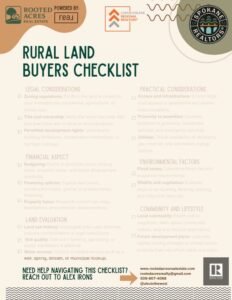
👉 For a complete breakdown of rural land loans, grants, zoning considerations, and buyer checklists, read our full guide: Buying Rural Land: Loans, Grants, and Programs You Need to Know.
Frequently Asked Questions About Buying Rural Property
Can I build on any rural land?
No. Not all rural land is legally buildable. Zoning, land-use regulations, environmental overlays, and minimum lot size requirements all affect whether you can build. Always confirm buildability with the county planning department before making an offer.
What makes rural land “unbuildable”?
Common reasons include:
- Zoning that does not allow residential use
- Lack of approved access or recorded easements
- Failed or unavailable septic approval
- Environmental restrictions such as wetlands or floodplains
If land is not buildable, it is also often not financeable.
Do I need water rights to buy rural land?
It depends on the state and county. Some properties include water rights, while others require a well permit or connection to a shared system. Always verify water availability and legal rights before purchasing, especially in arid or regulated areas.
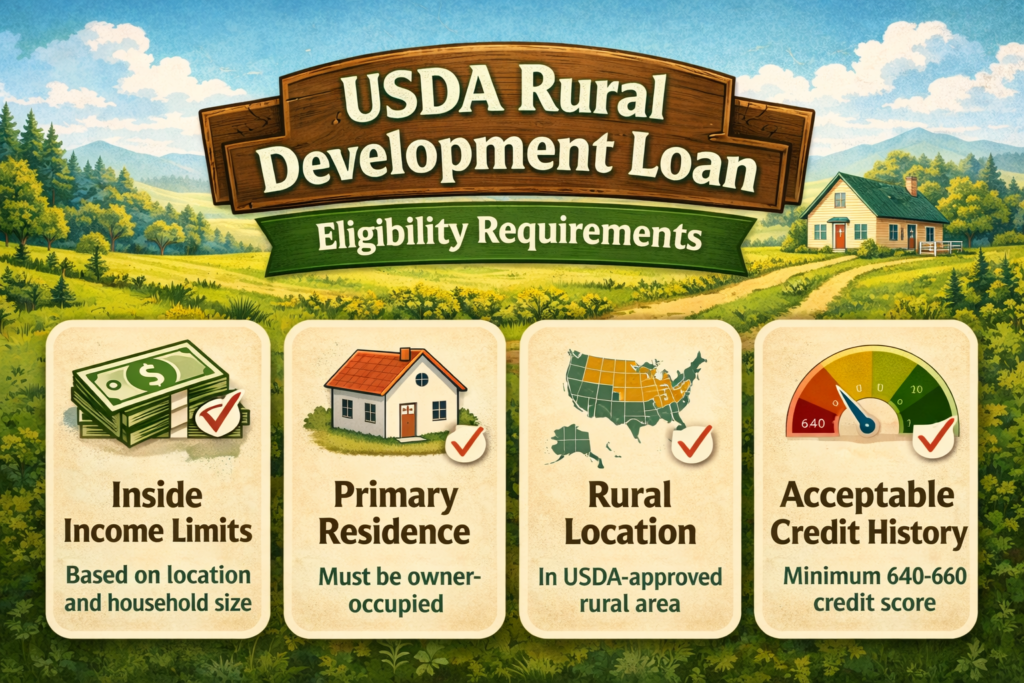
Can rural land be financed with a USDA or FHA loan?
Sometimes. Financing depends on zoning, access, utilities, and intended use. USDA, FHA, and conventional loans all have different requirements, and some rural parcels may only qualify for land loans or cash purchases.
What does “legal access” mean for rural property?
Legal access means the property has a recorded road, easement, or right-of-way in the title—not just physical access. Properties without legal access are often unfinanceable and difficult to insure or resell.
Who should I contact to verify rural property details?
Start with:
A rural real estate specialist familiar with local regulations
County planning and zoning department
Health department (septic)
Water resources or well permitting office
Do I need a real estate agent to buy rural land?
While not required, working with an agent experienced in rural property can help you avoid common mistakes related to zoning, utilities, access, and financing—especially for first-time land buyers.